Autoimmune Diseases
At DiaUnion, we focus on type 1 diabetes, celiac disease, and thyroid disease
Autoimmune diseases occur when the body’s immune system mistakenly identifies the body’s own cells and organs as foreign. Instead of protecting the body, the immune system begins to attack its own tissues. This can affect essential functions, such as hormone production or the absorption of nutrients.
Examples of common autoimmune diseases include type 1 diabetes, celiac disease (gluten intolerance), and autoimmune thyroid disease (inflammation of the thyroid gland).

The risk of developing these diseases can be identified through a simple blood test. The blood is analyzed for so-called autoantibodies – proteins produced by the immune system that target the body’s own tissues. These autoantibodies act as markers of autoimmune activity and may be present long before symptoms appear.
Because these diseases often develop without clear symptoms in their early stages, they are difficult to detect without early detection. Novel disease-modifying treatments are emerging for type 1 diabetes, and early diagnosis and follow-up can reduce the risk of severe complications and contribute to a better quality of life.
Early detection also provides valuable knowledge for research. By identifying individuals with risk markers at an early stage, researchers can gain a better understanding of disease development, which may lead to new treatments and preventive strategies.
Type 1 Diabetes
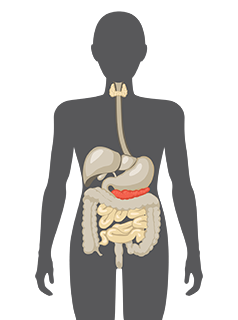
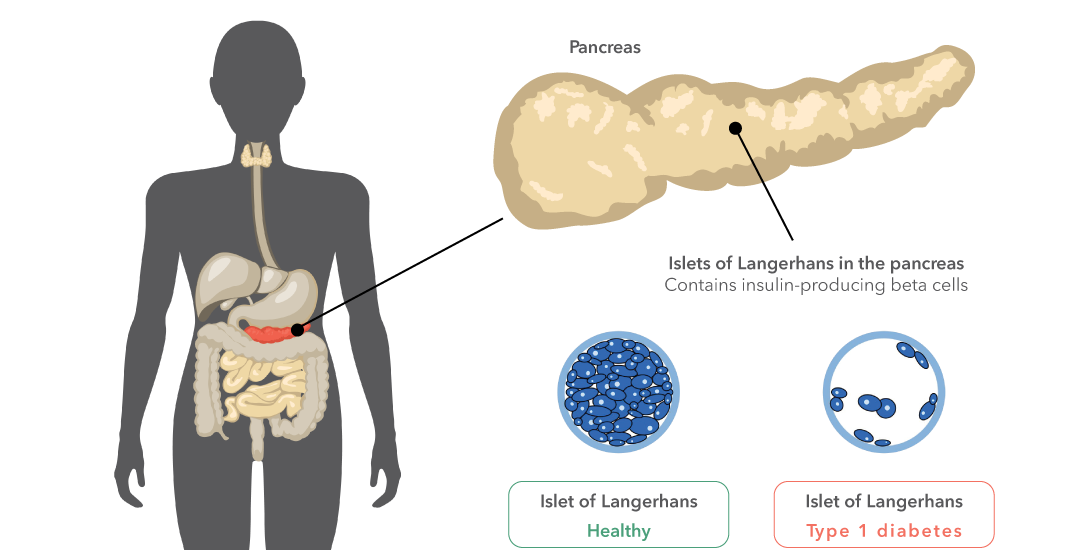
Type 1 diabetes (T1D) is an autoimmune disease in which the body’s own immune system destroys the insulin-producing beta cells in the pancreas. Insulin is essential for enabling glucose (blood sugar) to be absorbed into the body’s cells as energy.
The disease often breaks out during childhood or adolescence and is not related to lifestyle. It cannot be prevented or cured through diet or physical activity.
The initial symptoms of T1D may be nonspecific and can be confused with other conditions, which means there is a risk that the disease may initially be overlooked or misdiagnosed. Typical symptoms, which may occur individually, include:
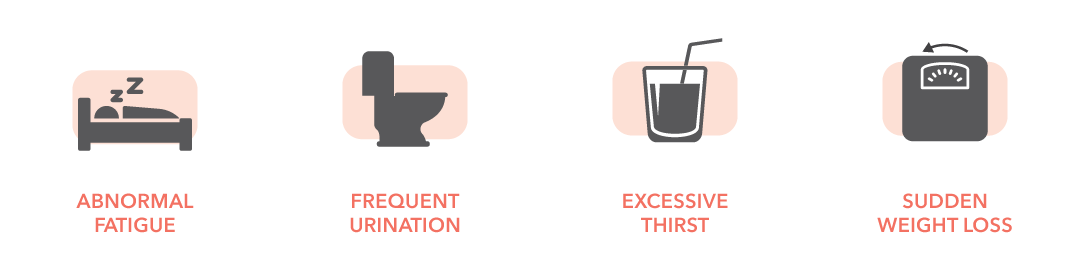
For most people, the onset of type 1 diabetes occurs suddenly, and it often requires acute hospitalization and insulin treatment. Without prompt treatment, the disease can lead to serious complications such as diabetic ketoacidosis (DKA), due to a long period with high blood sugar.
For further information, please visit Svenska Diabetesförbundet, Barndiabetesfonden and Diabetesforeningen.
Stages of Type 1 Diabetes
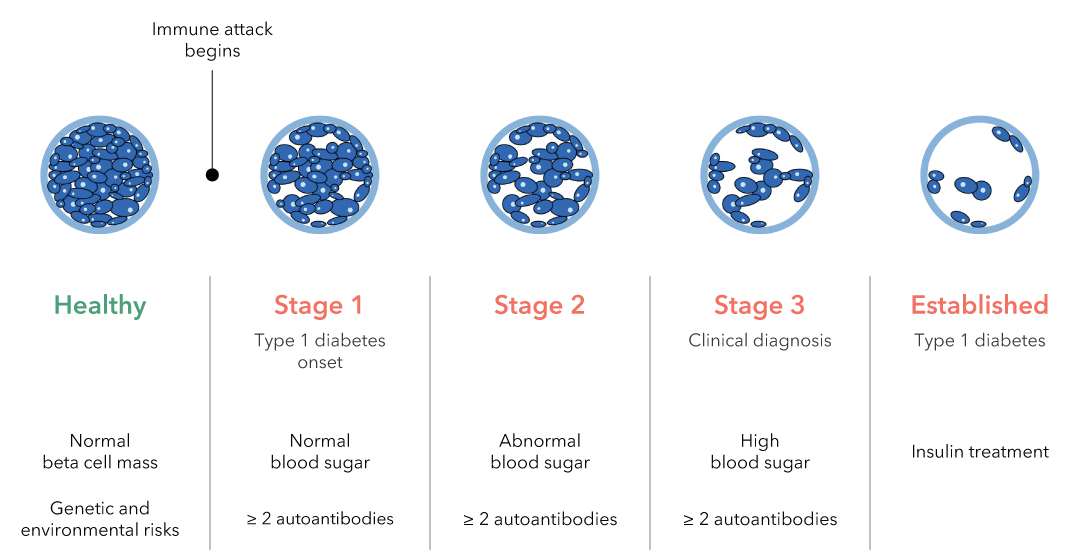
The development of type 1 diabetes (T1D) begins long before a clinical diagnosis is made – when the immune system is activated and starts attacking the beta cells. The cause of this immune reaction is not fully understood, but research suggests that both genetic factors and environmental influences (e.g. viral infections) play a role. First-degree relatives have up to a 15-fold increased risk of developing T1D.
The progression of the disease can be divided into three stages:
Stage 1–2: One or more diabetes-related autoantibodies are present, but no symptoms have yet developed.
Stage 3: There are symptoms of clinical type 1 diabetes and a diagnosis is made.
Almost all individuals with two or more diabetes-related autoantibodies will eventually develop T1D.
Celiac Disease
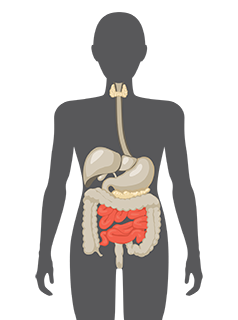
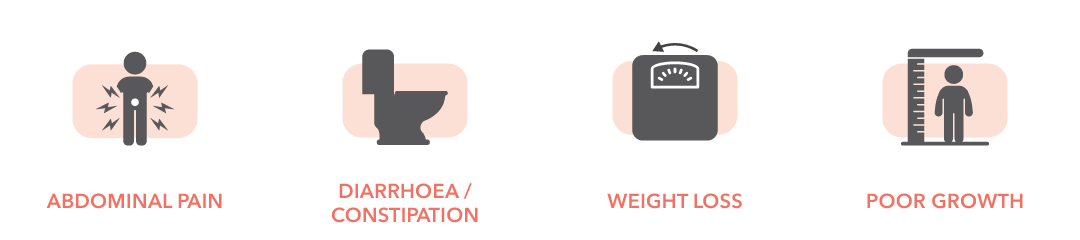
Celiac disease is a chronic autoimmune condition in which the body’s own immune system mistakenly attacks the cells of the small intestine. The disease is triggered by the consumption of foods containing gluten – a protein found in, among other things, wheat, rye, and barley. For this reason, celiac disease is also referred to as gluten intolerance. The typical symptoms of celiac disease include:
The disease often develops during childhood, and the only treatment is a strict gluten-free diet. By avoiding gluten, the small intestine can recover and heal, and symptoms subside. Untreated celiac disease may lead to complications such as anemia, osteoporosis, fertility problems, and an increased risk of cancer, particularly lymphoma.
For further information, please refer to the Swedish and Danish Celiac Associations.
Autoimmune Thyroid Disease
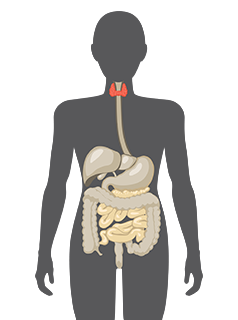
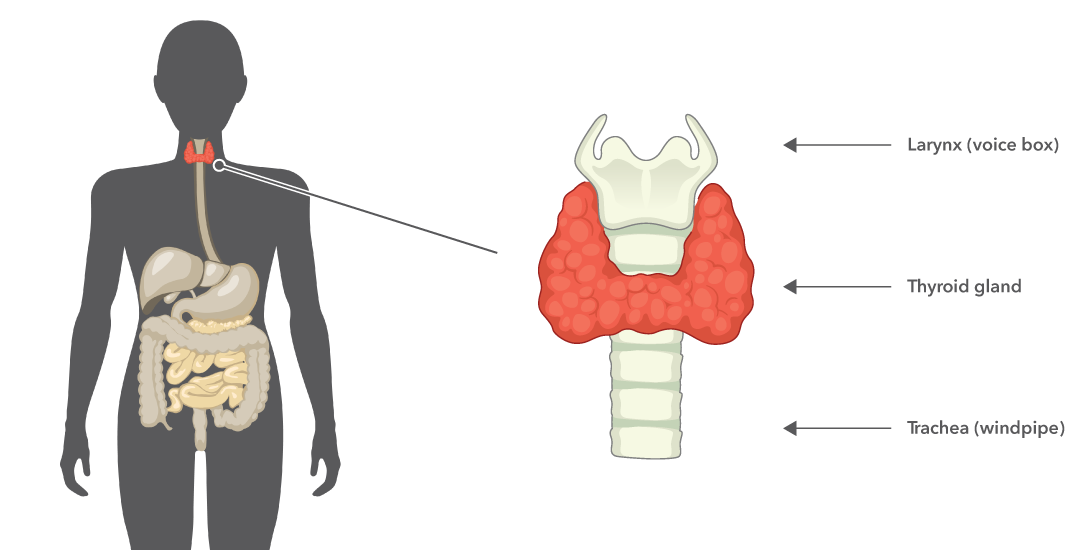
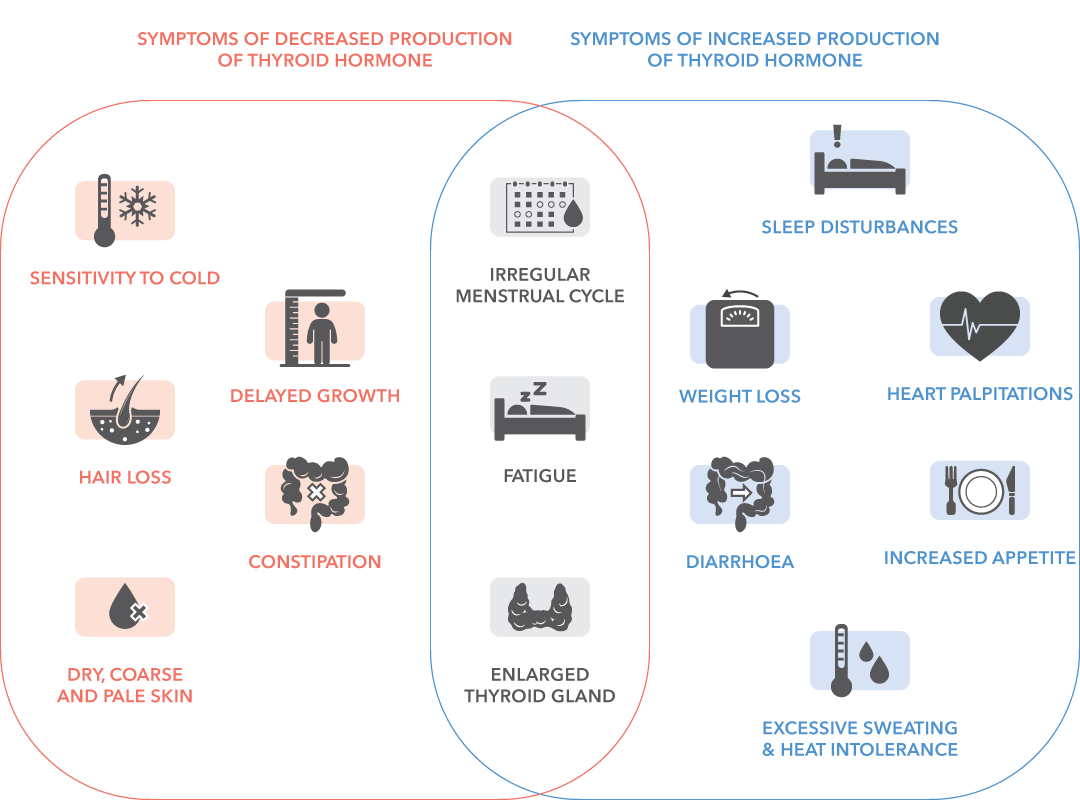
This condition is also known as Hashimoto’s disease and is a chronic inflammatory disorder that destroys the cells of the thyroid gland. The thyroid gland is located on the throat and produces hormones that regulate the body’s metabolism and play an important role in normal growth and puberty. The inflammation may lead to both overproduction and underproduction of thyroid hormones.
The disease is more common in women and most often develops in adulthood, but it can also occur in children. If autoimmune diseases are already present in the family, the risk of developing autoimmune thyroid disease is higher.
For further information, please visit Hashimoto – Stofskifteforeningen(DK) and Sköldkörtelförbundet (SE).
Autoimmune diseases occur when the body’s immune system mistakenly identifies the body’s own cells and organs as foreign. Instead of protecting the body, the immune system begins to attack its own tissues. This can affect essential functions, such as hormone production or the absorption of nutrients.
Examples of common autoimmune diseases include type 1 diabetes, celiac disease (gluten intolerance), and autoimmune thyroid disease (inflammation of the thyroid gland).
The risk of developing these diseases can be identified through a simple blood test. The blood is analyzed for so-called autoantibodies – proteins produced by the immune system that target the body’s own tissues. These autoantibodies act as markers of autoimmune activity and may be present long before symptoms appear.
Because these diseases often develop without clear symptoms in their early stages, they are difficult to detect without early screening. Novel disease-modifying treatments are emerging for type 1 diabetes, and early diagnosis and follow-up can reduce the risk of severe complications and contribute to a better quality of life.
Early detection also provides valuable knowledge for research. By identifying individuals with risk markers at an early stage, researchers can gain a better understanding of disease development, which may lead to new treatments and preventive strategies.
About Type 1 Diabetes
Type 1 diabetes (T1D) is an autoimmune disease in which the body’s own immune system destroys the insulin-producing beta cells in the pancreas. Insulin is essential for enabling glucose (blood sugar) to be absorbed into the body’s cells as energy.
The disease often breaks out during childhood or adolescence and is not related to lifestyle. It cannot be prevented or cured through diet or physical activity.
The initial symptoms of T1D may be nonspecific and can be confused with other conditions, which means there is a risk that the disease may initially be overlooked or misdiagnosed. Typical symptoms, which may occur individually, include:
For most people, the onset of type 1 diabetes occurs suddenly, and it often requires acute hospitalization and insulin treatment. Without prompt treatment, the disease can lead to serious complications such as diabetic ketoacidosis (DKA), due to a long period with high blood sugar.
For further information, please refer to the Danish Diabetes Association.
Stages of Type 1 Diabetes
The development of type 1 diabetes (T1D) begins long before a clinical diagnosis is made – when the immune system is activated and starts attacking the beta cells. The cause of this immune reaction is not fully understood, but research suggests that both genetic factors and environmental influences (e.g. viral infections) play a role. First-degree relatives have up to a 15-fold increased risk of developing T1D.
The progression of the disease can be divided into three stages:
Stage 1–2: One or more diabetes-related autoantibodies are present, but no symptoms have yet developed.
Stage 3: There are symptoms of clinical type 1 diabetes and a diagnosis is made.
Almost all individuals with two or more diabetes-related autoantibodies will eventually develop type 1 diabetes (T1D).
About Celiac Disease
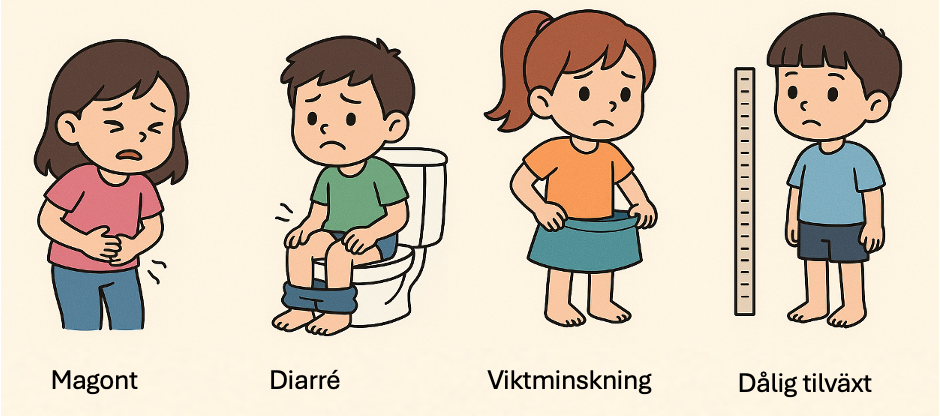
Celiac disease is a chronic autoimmune condition in which the body’s own immune system mistakenly attacks the cells of the small intestine. The disease is triggered by the consumption of foods containing gluten – a protein found in, among other things, wheat, rye, and barley. For this reason, celiac disease is also referred to as gluten intolerance. The typical symptoms of celiac disease include:
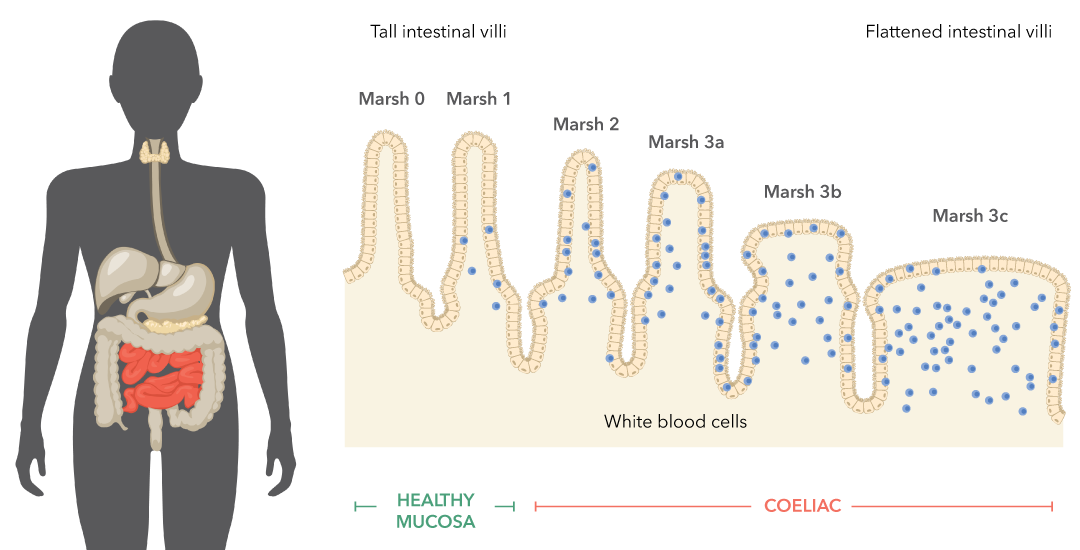
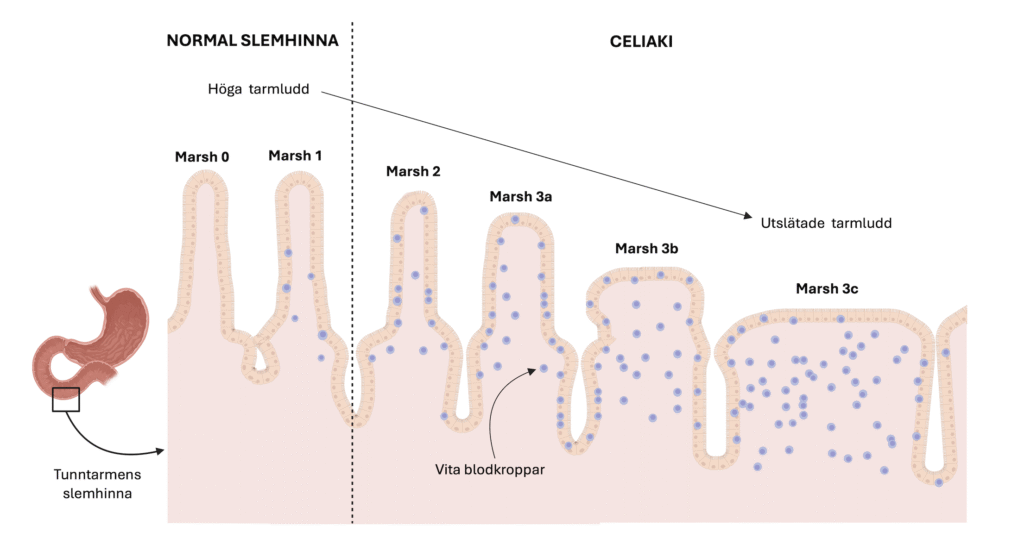
When people with celiac disease consume foods that contain gluten, an inflammatory reaction is triggered, which damages the small intestine’s so-called intestinal villi. This reduces the intestine’s ability to absorb essential nutrients such as vitamins and minerals from food.
To assess the degree of damage to the lining of the small intestine in individuals suspected of having celiac disease, a system known as the Marsh classification is used. The higher the Marsh grade, the greater the disease severity.
The disease often develops during childhood, and the only treatment is a strict gluten-free diet. By avoiding gluten, the small intestine can recover and heal, and symptoms subside. Untreated celiac disease may lead to complications such as anemia, osteoporosis, fertility problems, and an increased risk of cancer, particularly lymphoma.
For further information, please refer to the Swedish and Danish Celiac Associations.
About Autoimmune Thyroid Disease
This condition is also known as Hashimoto’s disease and is a chronic inflammatory disorder that destroys the cells of the thyroid gland. The thyroid gland is located in the neck and produces hormones that regulate the body’s metabolism and play an important role in normal growth and puberty. The inflammation may lead to both overproduction and underproduction of thyroid hormones.
The disease is more common in women and most often develops in adulthood, but it can also occur in children. If autoimmune diseases are already present in the family, the risk of developing autoimmune thyroid disease is higher.
Symptoms may be nonspecific in children, but the most common include:

For further information, please visit Hashimoto – Stofskifteforeningen(DK) and Sköldkörtelförbundet (SE).